
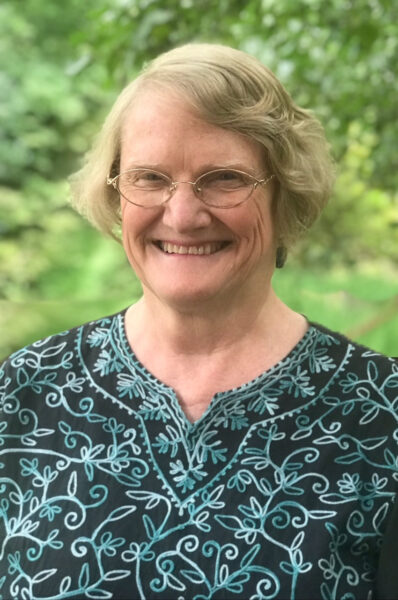
 Fall 2026: Let’s take a trip to China with Timothy Trainer
August 2026: Ep16 Tim’s Travails — What does it mean to write well? This month Tim explores the topic with journalist and children’s book author Karen Leggett Abouraya
 Summer 2026: Embrace the heat of noir
Ep1: Chris Chambers Noir — Get ready for a little noir magic! Don’t miss our Q&A with the mastermind behind Washington, DC’s most notorious fictional detective — former street denizen Dickie Cornish, who faces off with bloodthirsty cops and the justice department
 Spring 2026: Honoring our heroes
April 2026: Ep12 Tim’s Travails — Tim interviews two heroes in honor of National Vietnam War Veterans Day, March 29, 2026
 Winter 2026: Embracing the Power of Women
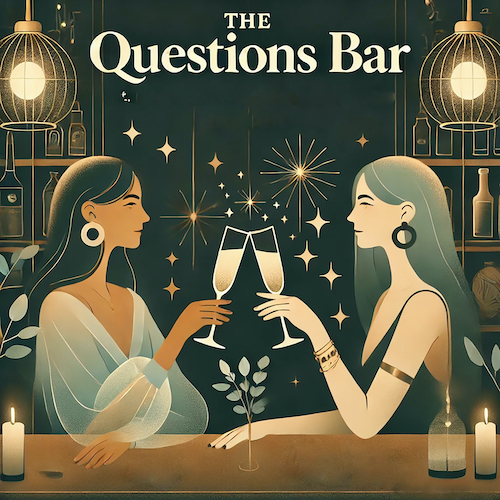
Ep1: The Questions Bar — What’s on your mind, girlfriend? Hosts AlinaZ and Hope Katz Gibbs want to know!
 November-December 2025: Let’s talk about Freedom of Speech
Meet the bestselling author behind Elaine’s Literary Salon: Jeffrey James Higgins
 September-October 2025: The Safety Issue
Season 2: E11 “Stun Gun Jen” is our guest on this week’s episode of The Questions Bar where she teaches us about personal defense
 July-August 2025: The Independence Issue
Thinking Forward: We invite you to explore thoughts and ideas of resilience as we embark on the summer of 2025
 May-June 2025 — Power to the People: This is what democracy looks like!
Pritzker for President!
 Winter 2025: The Philanthropy Issue
Explore Dien Yuen’s Daylight: The global home for learning, practice, and research
 Fall 2024: Let’s Talk About Love
Why We Love: A tribute to Dr. Helen Fisher, a scholar and a friend
 Summer 2024: What are you reading?
Pushing Up: What Twelve Months of Physical Challenges Taught Two Brothers About Connection, Leadership, and Purpose
 Spring 2024: Infant Massage USA
Infant Massage USA: The Art and Science of Nurturing Touch
 Winter 2024: Surviving Silver Divorce
“Silver Divorce can be painful,” knows actuary and author Peter Neuwirth who, with his associates, offers ways to ease the financial burden
 Fall 2023: The Body Keeps the Score
Two emotional intelligence coaches help us “Understand IFS: The Internal Family Systems (IFS) model of psychotherapy”
 Summer 2023: Cheers to the nation’s nonprofits!
Episode 10: Don’t miss the July episode of the Distance Learning Roundtable where you’ll meet Freedom Writers Founder Erin Gruwell
 Spring 2023: Inkandescent Kids
Meet the leaders of PeaceFull Kids: “We inspire people to develop the habit of intentionally and consistently supporting their happiness and the well-being of those around them”
 Winter 2023: Reiki Power
Animal Reiki: Discover the superpower of Rev. Barbara Thorngren

 Summer 2022: Time for Touch
Massage School Memoire — 10 Months That Changed My Life
 May 2022: I Got the Music In Me
Meet massage therapist and flute master: Zach the Reiki Guy
 April 2022: The Art of Aging Well
Mom and Dad, We Need to Talk: How to Have Essential Conversations With Your Parents About Their Finances
 March 2022: Psychology of the Body
Molecules Of Emotion: The Science of Mind-Body Medicine
 January-February 2022: Building for the Future
Behind the Walls: Architect Alex Yuen interviews Edie Dillman, co-founder of B.Public Prefab for BeInkandescent Health & Wellness magazine
 November-December 2021: Find Your Flow with Positive Psychology
Honoring one of the father’s of Positive Psychology: Mihaly Csikszentmihalyi, author of “Flow” (Sept. 29, 1934—Oct. 20, 2021)
 September-October 2021: Back to School
Dear Highlights: What adults can learn from 75 years of letters and conversations with kids
 August 2021: Is it time to hire a life coach?
Soul Dreaming with Life Coach Brenda Lee Nelson: Learn to create the life you were meant to live
 July 2021: Voices4Change
Top 10 Things Journalists Need to Know About Intimate Partner Violence
 June 2021: Women Who Make Us Wine
Raise your glass: Meet the Women Who Make Us Wine
 May 2021: Life in a Post-Pandemic World
Child Psychiatrist Gayani DeSilva helps teens — and their parents — stop addiction and depression before it starts
 April 2021: I Got the Music in Me
Always a Song: Singers, Songwriters, Sinners & Saints
 March 2021: Are you Living the Life of Your Dreams?
Take control: Tony award-winning actor and a star of CBS’ “Blue Bloods” helps us create the life we dream of
 February 2021: Black Lives Matter
Star Trek: A Case Study of Inclusion — Black Lives Matter
 January 2021: Happy New Year!
The Future of Architecture: Glimpse the designs of buildings we’ll soon be inhabiting
 December 2020: A Feast for the Senses
The Power of Pumpkin: Cook up delicious sides with this heart-healthy superfood
 November 2020: Play it Forward
Tie Tracks Designer is Giving Away Ties: Buy one for $20, and she’ll donate one to a gentleman in need
 October 2020: Chin Up
Is an asteroid really going to collide with earth just days before the November 3 election? A rocket scientist helps us understand the impact
 September 2020: The Fearless Issue
How does a Navy SEAL face his fears?
 August 2020: The Power of Laughter
Meet the Man Making People Across America Laugh their Way to Healing
 July 2020: Feed Your Soul
Black Lives Matter: Meet Dray Gardner, the powerhouse behind Silent Savasana
 June 2020: My Corona
Embracing Ancient Wisdom: Kabalah Yoga
 May 2020: Going Deeper
Rocker Michael Franti Teaches Us the Art of “Peace, Love, and Social Justice”
 April 2020: Dance the Blues Away
Happy Feet: Get Up and Dance!
 March 2020: Embrace the Magic
Singing with the Byrds
 February 2020: Celebrate Love
Five Ways to Become a Warrior of the Light
 January 2020: Welcome!